

As families across Connecticut navigate the challenges of caring for aging parents, grandparents, or loved ones with health conditions, one question continues to arise: Where will they receive the best care while maintaining comfort, dignity, and quality of life?
For many families, the answer is becoming increasingly clear — home.
In-home care services in Connecticut are helping elderly individuals remain in familiar surroundings while receiving personalized support tailored to their unique needs. Rather than transitioning into nursing homes or assisted living facilities, more families are discovering the emotional, physical, and financial benefits of keeping loved ones at home.
Home is more than just a place. It represents comfort, independence, memories, family connection, and emotional security. Especially for seniors, remaining in a familiar environment can significantly improve mental wellbeing and overall quality of life.
The Emotional Benefits of Receiving Care at Home
One of the greatest advantages of in-home care is the emotional stability it provides. Aging can already feel overwhelming for many seniors. A sudden move into a facility often adds stress, anxiety, confusion, and isolation.
At home, seniors continue living in an environment they know and trust. They sleep in their own beds, follow familiar routines, enjoy their personal belongings, and remain close to family members, neighbors, and their communities.
This familiarity is especially important for individuals experiencing memory-related conditions such as dementia or Alzheimer’s disease. Consistent surroundings can reduce confusion and help seniors maintain a greater sense of calm and security.
Families also experience peace of mind knowing their loved ones are comfortable and emotionally supported in a place that feels safe and personal.
Personalized Care Makes a Difference
Unlike institutional settings where caregivers often manage multiple residents at once, in-home care offers a more personalized experience.
Care plans are designed around the individual’s specific needs, preferences, and health conditions. Whether someone requires companionship, medication reminders, meal preparation, mobility assistance, or support with daily living activities, home care services can be adjusted to provide the right level of support.
Personalized care also allows seniors to maintain a sense of independence. Instead of adapting to the schedules of a facility, care revolves around the individual’s routine and lifestyle.
This one-on-one attention often leads to stronger caregiver relationships and better overall care outcomes.
Maintaining Independence and Dignity
Many seniors fear losing their independence as they age. Moving into a nursing home or assisted living facility can sometimes make individuals feel as though they have lost control over their daily lives.
Receiving care at home helps preserve dignity and independence for as long as possible.
Seniors can continue participating in daily activities they enjoy, remain involved in family life, and make decisions about their routines and preferences. Something as simple as choosing what to eat, when to relax, or how to spend the day can positively impact emotional wellbeing.
Maintaining independence also helps seniors feel valued and respected rather than dependent or isolated.
Family Involvement Becomes Easier

When care happens at home, family members can remain actively involved in the caregiving journey.
Loved ones can visit more freely, participate in care planning, monitor progress, and spend meaningful time together without the restrictions or limitations sometimes associated with care facilities.
In-home care also strengthens family relationships by allowing seniors to remain connected to children, grandchildren, and close relatives in a familiar environment.
For many families in Connecticut, this emotional connection becomes one of the most important reasons for choosing home care.
A Cost-Effective Alternative for Many Families
Long-term residential care facilities can become financially overwhelming for many households. Depending on the level of care required, nursing homes and assisted living facilities may carry substantial monthly costs.
In-home care services often provide a more flexible and affordable option, especially when care needs are moderate or part-time.
Families can customize services based on their needs and budgets instead of paying for full-time residential care. This flexibility allows many seniors to receive high-quality support while remaining in the comfort of home.
Additionally, programs such as AFL are helping families access support and financial assistance for caregiving at home.
Understanding the AFL Program
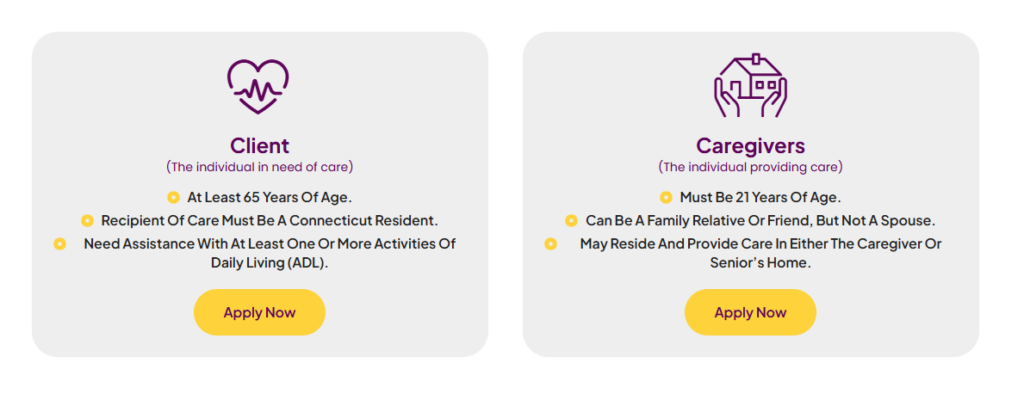
A Caring Heart Home Services helps families understand and access programs that support aging loved ones at home, including the Adult Family Living (AFL) Program.
AFL is a program designed to help keep elderly individuals safe in the comfort of their own homes instead of transitioning them to assisted living facilities or nursing homes. The program provides financial assistance and support to family members or friends who become in-home caregivers to the elderly individual in need.
This program recognizes the important role family caregivers play in supporting seniors while helping reduce the emotional and financial burden that often comes with caregiving responsibilities.
For many Connecticut families, AFL creates an opportunity to provide compassionate care without sacrificing the familiarity and emotional stability that home offers.
Programs like AFL are becoming increasingly valuable as more families seek alternatives to institutional care and prioritize personalized support for aging loved ones.
Better Health Outcomes at Home
Studies continue to show that seniors often experience better health outcomes when receiving care at home.
Being in a familiar environment can reduce stress levels, improve emotional health, and support faster recovery after illness or hospitalization. Seniors receiving home care may also face lower risks of infections that can sometimes spread in shared living facilities.
In-home caregivers can help monitor changes in health conditions, encourage medication adherence, support healthy routines, and assist with mobility and nutrition.
The personalized nature of home care allows concerns to be identified early, potentially preventing more serious health complications.
Companionship and Social Connection Matter
Loneliness is one of the most overlooked challenges affecting elderly individuals today. Social isolation can negatively impact both mental and physical health.
In-home care provides more than physical assistance — it also offers companionship.
Caregivers become trusted companions who engage seniors in conversation, activities, hobbies, and daily routines. This emotional connection can greatly improve mood, confidence, and overall wellbeing.
Families also appreciate knowing their loved ones are not alone during the day and have someone regularly checking on their safety and comfort.
Why More Connecticut Families Are Choosing Home Care
The shift toward in-home care services in Connecticut reflects a growing understanding that aging does not have to mean leaving home behind.
Families today are prioritizing comfort, dignity, emotional wellbeing, and personalized support when making care decisions for elderly loved ones.
Home care allows seniors to age in place while remaining surrounded by the people, memories, and routines that matter most to them.
With compassionate providers like A Caring Heart Home Services and supportive programs like AFL, families can access professional guidance and resources that make caregiving at home more achievable and sustainable.
Final Thoughts
Choosing care for an aging loved one is one of the most important decisions a family can make. While nursing homes and assisted living facilities may be appropriate in some situations, many seniors thrive when allowed to remain in the comfort of their own homes.
In-home care services provide emotional security, personalized support, greater independence, and stronger family connections — all while helping seniors maintain dignity and quality of life.
As more Connecticut families explore compassionate alternatives to institutional care, home-based support continues to stand out as a meaningful and effective solution for aging with comfort, familiarity, and care.